Systems

Transportation for a world that isn't Earth.

Three flight systems, one stack: surface mobility, dedicated launch, and the tug layer that connects a fairing to a landing zone.

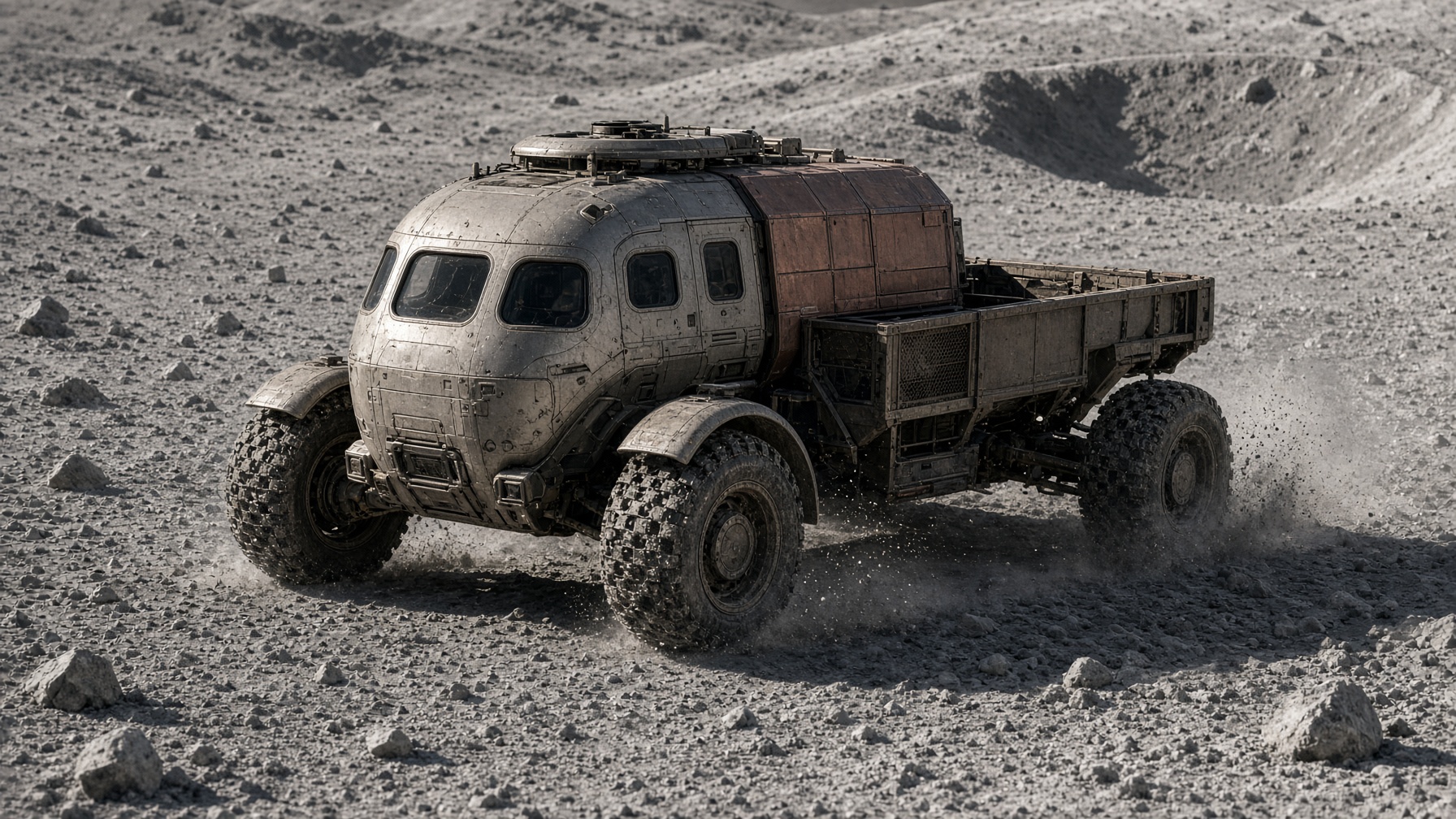
Mare lunar surface transport on cratered highlands, copper thermal panels catching hard sunlight.

MD-01 · Chassis prototype · dust chamber

Mare

Lunar surface transport

The truck that still starts after fourteen days of night.

Crew and cargo mobility for unprepared lunar terrain. A chassis, power plant, and cabin designed around abrasive dust — not a press-kit rover.

Configuration
6×6 mesh, 1.8 m wheels
Payload
4,000 kg cargo / 2 crew
Range
80 km per charge cycle
Night survival
350+ hours
Study Mare
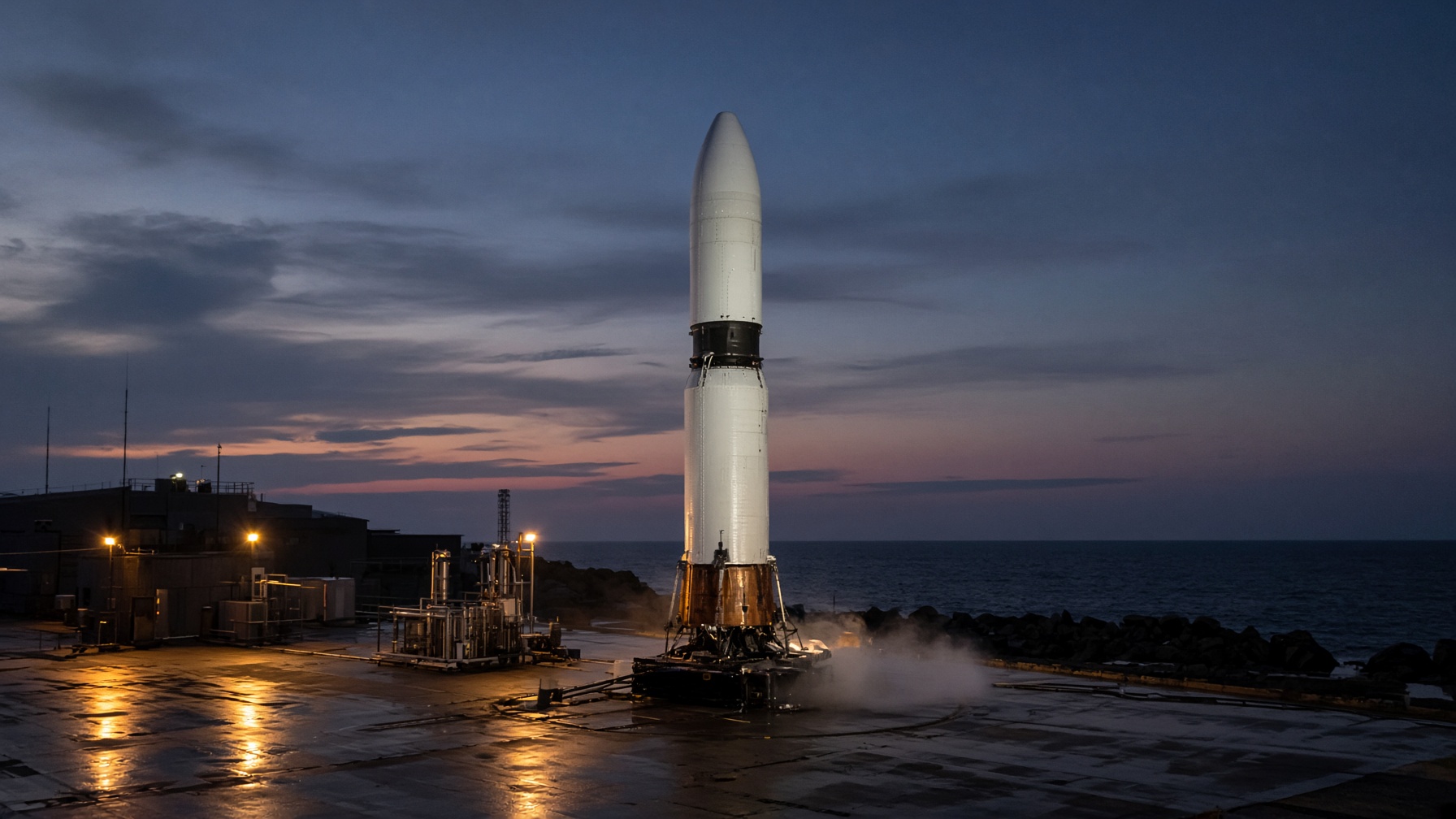
Vector two-stage launch vehicle on a coastal pad at twilight, vapor venting under sodium lights.

MD-02 · Pathfinder engines · stand

Vector

Satellite launch

Dedicated lift for operators who are tired of waiting on someone else's manifest.

A compact two-stage methalox vehicle for small and medium satellites. Built for cadence — not for a single spectacular debut.

LEO payload
1,800 kg
SSO 500 km
1,200 kg
Propellant
Methalox
Stages
2
Study Vector
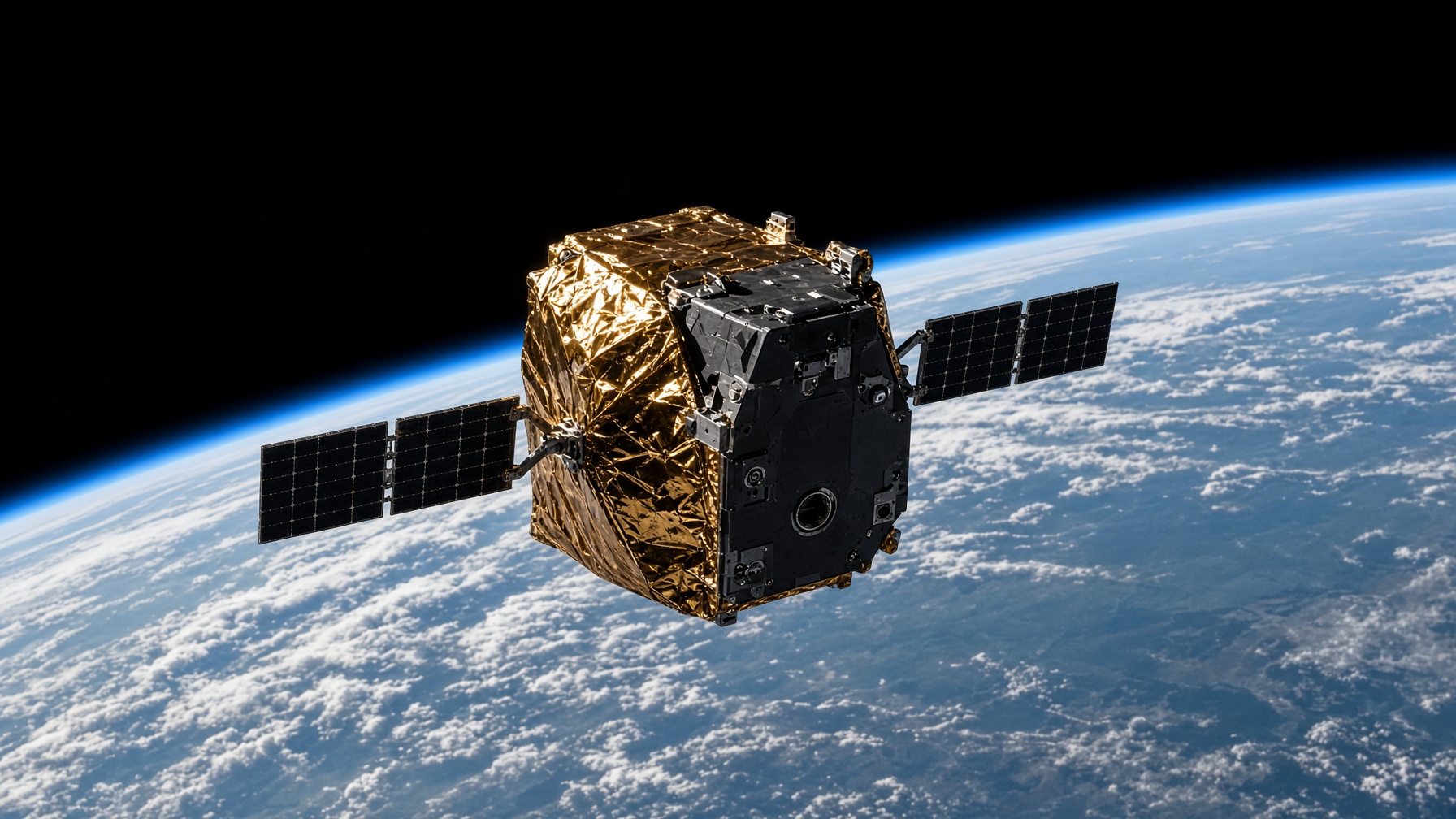
Tether orbital transfer vehicle in high Earth orbit, copper thermal blankets and Earth limb below.

MD-03 · Bus in high-bay assembly

Tether

Cislunar logistics

The tug layer between a fairing and a landing zone.

Orbital transfer vehicles that move mass between LEO, GEO, and lunar orbit. Chemical for urgency. Electric for economy.

Chemical Δv
3.2 km/s
Electric Δv
8+ km/s
Payload
2,500 kg
Interface
ESPA Grande / custom
Study Tether

Side by side

MareVectorTether
RoleLunar surface transportSatellite launchCislunar logistics
StatusChassis prototype · dust chamberPathfinder engines · standBus in high-bay assembly
Payload4,000 kg cargo / 2 crew1,800 kg2,500 kg
Crew0–2NoneNone

Move mass

Tell us the destination. We will tell you the stack.

A working sketch — not a trajectory. Honest capacities, split flights when the fairing says so.

Destination