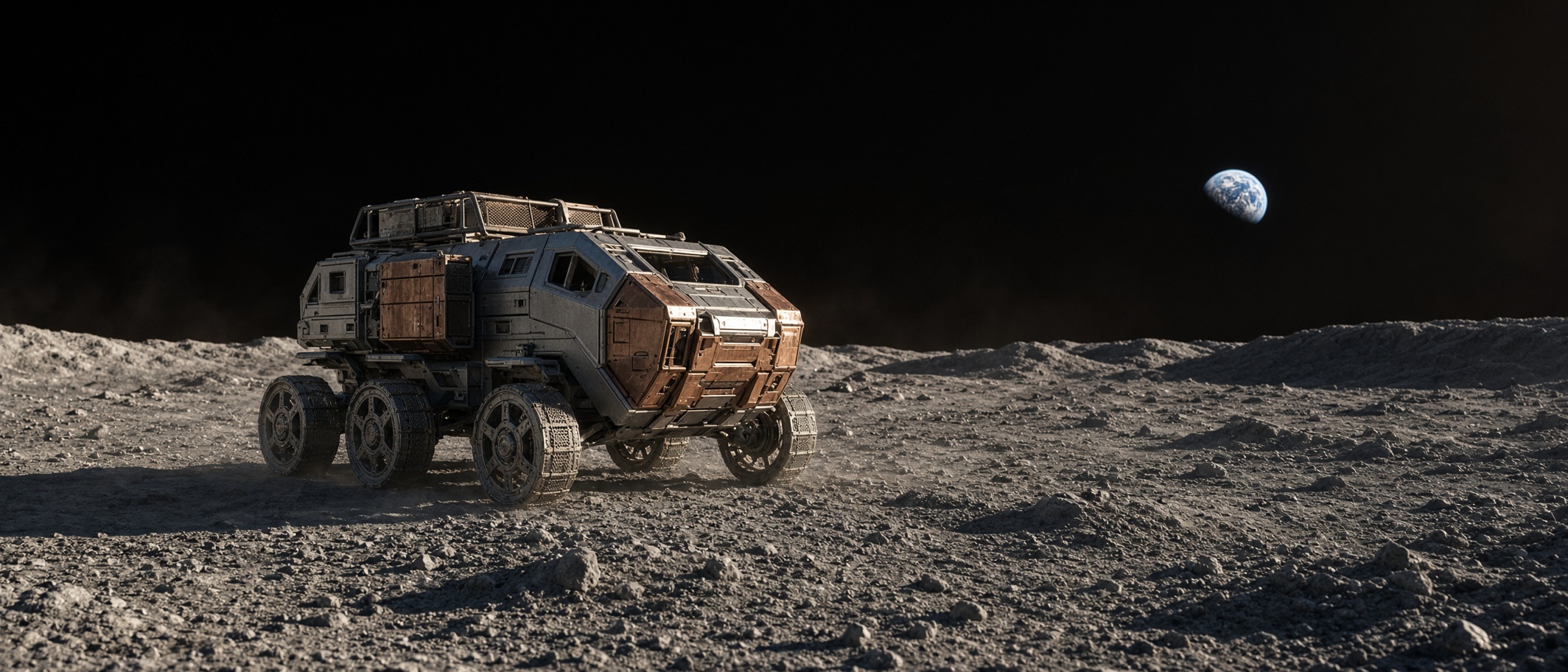
Leander, Texas · Mare Imbrium · Flight
Infrastructure for a second world.
We design and fly the transportation systems that move mass on the Moon and into orbit — vehicles, launchers, and the logistics between them.
3
Flight systems
4 t
Mare cargo class
1.2 t
Vector to SSO
TX
Designed & built
Flight systems
Three machines. One logistics stack.
Surface mobility, dedicated launch, and the tug layer between a fairing and a landing zone.
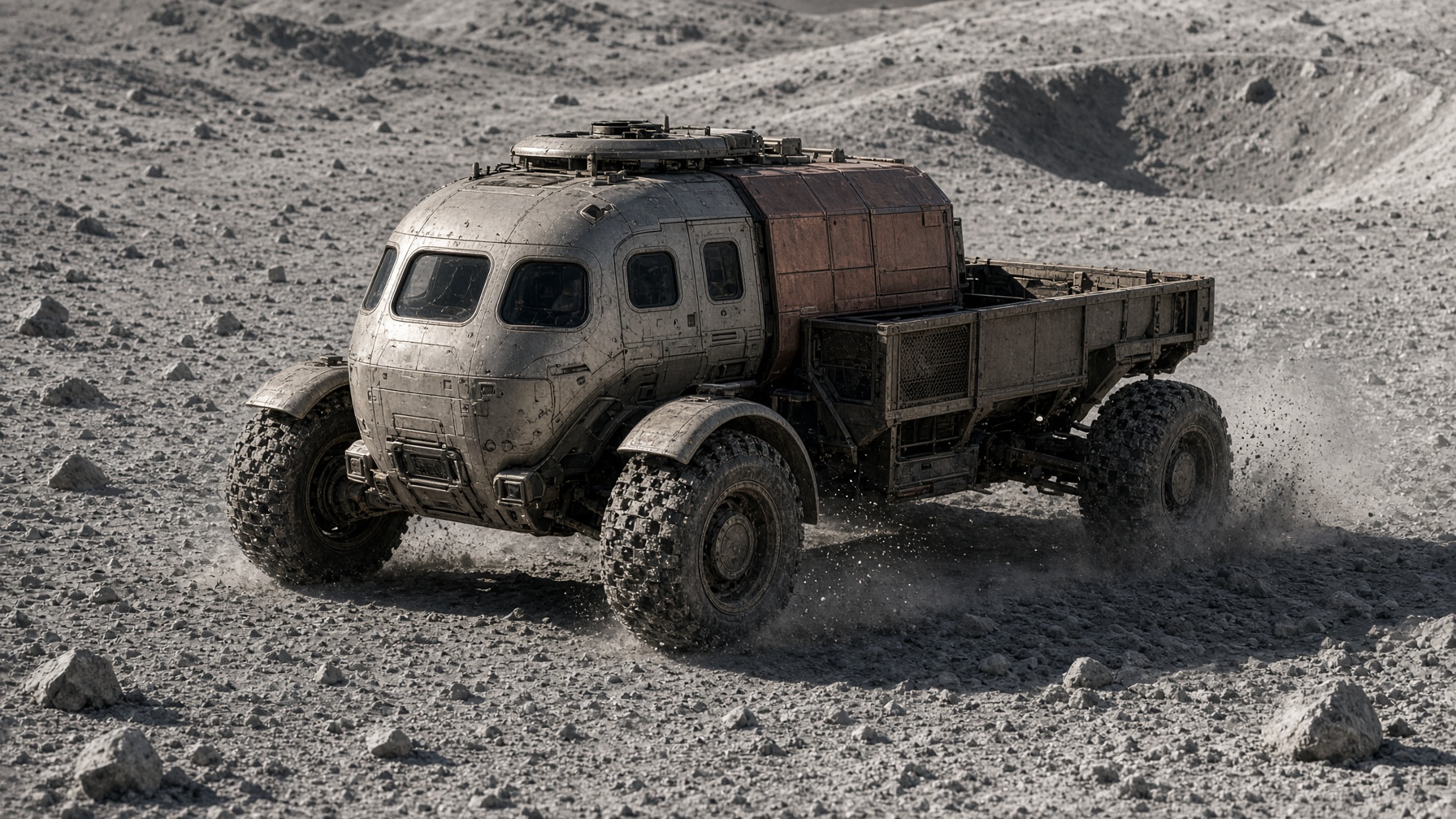
MD-01
Mare
Lunar surface transport
Crew and cargo mobility for unprepared lunar terrain. A chassis, power plant, and cabin designed around abrasive dust — not a press-kit rover.
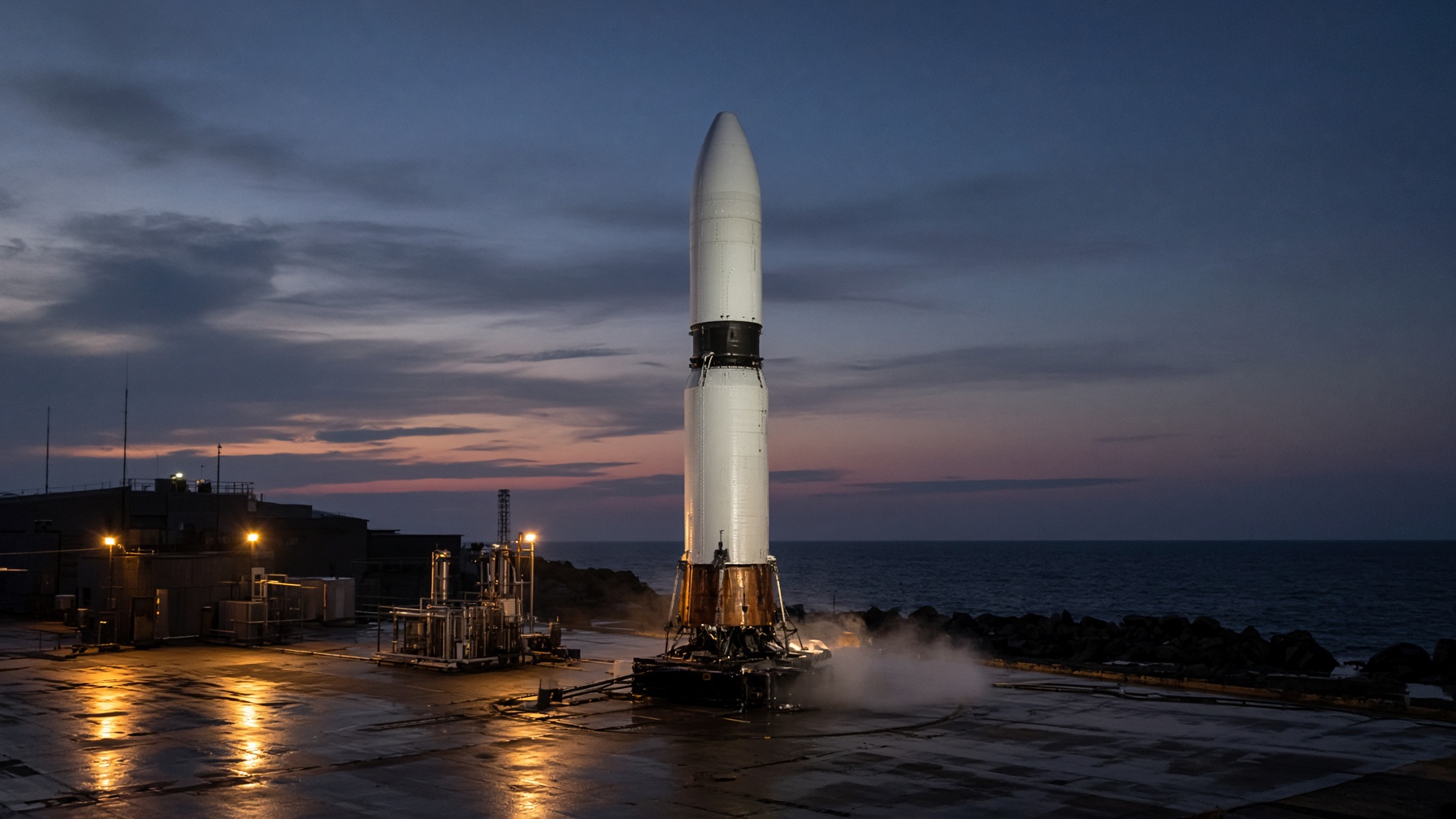
MD-02
Vector
Satellite launch
A compact two-stage methalox vehicle for small and medium satellites. Built for cadence — not for a single spectacular debut.
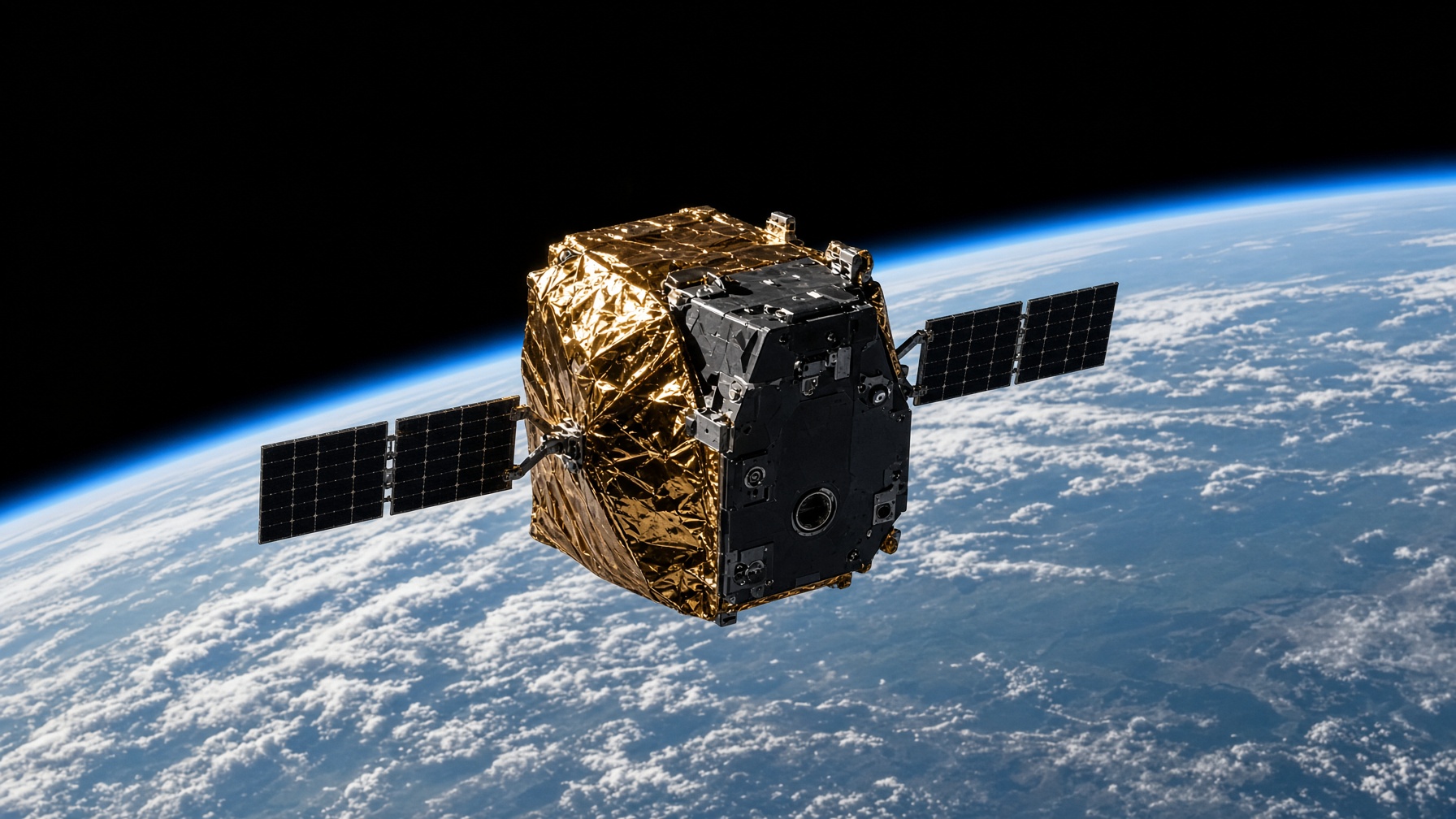
MD-03
Tether
Cislunar logistics
Orbital transfer vehicles that move mass between LEO, GEO, and lunar orbit. Chemical for urgency. Electric for economy.
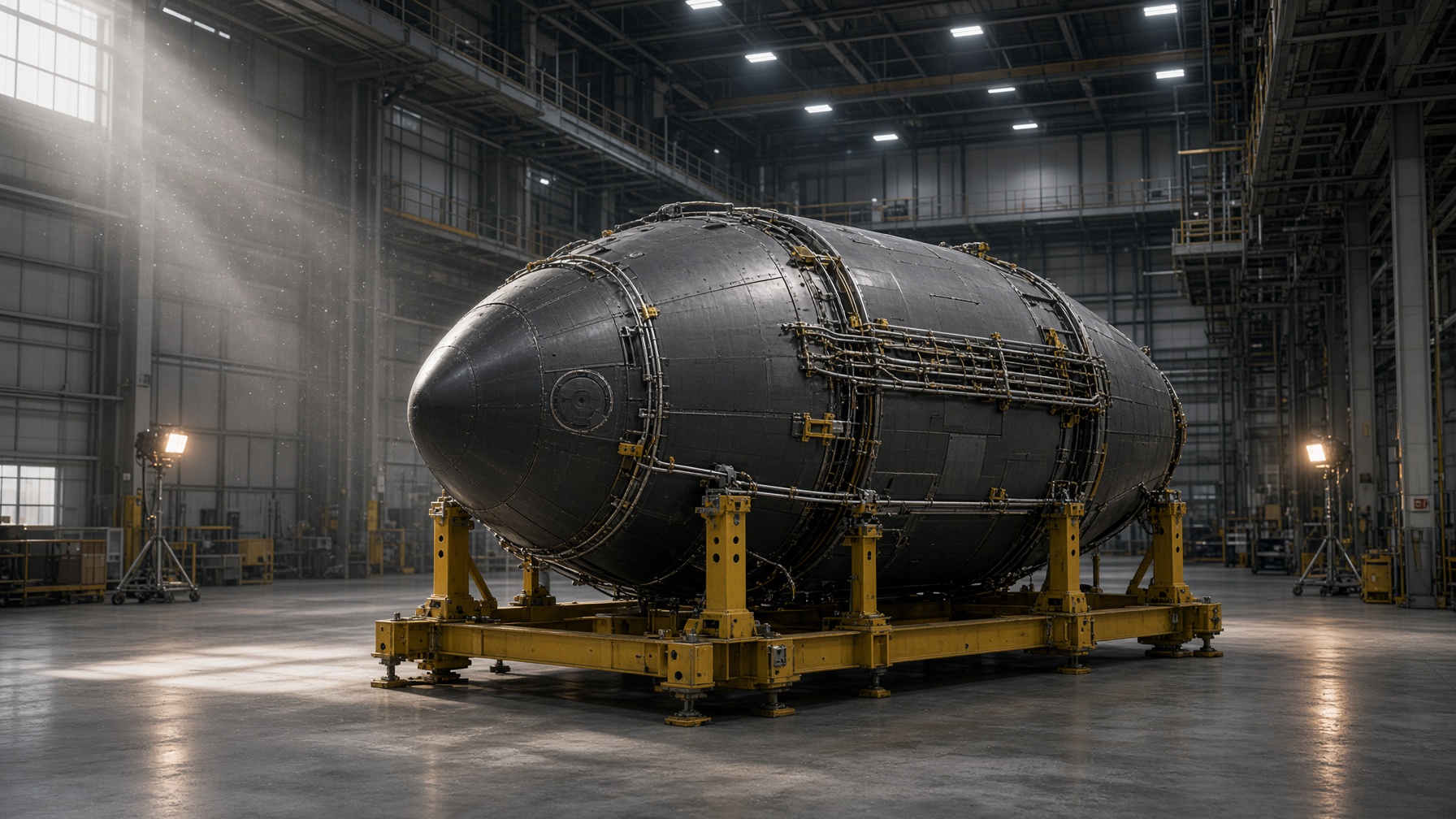
The foundry
Designed next to the stand.
Martian Dynamics is a systems house, not a brochure. Chassis, engines, and buses are designed, cut, and qualified in Leander — heat, dust, and night-simulation before anyone asks a vehicle to earn its keep off Earth.
Infrastructure, not spectacle
The hardware that matters is the hardware that still works on Tuesday. We do not design for the livestream.
Dust is a load case
Lunar regolith is not a texture. It is a mechanical, electrical, and human-factors problem. We start there.
Service in a suit
If two people cannot open it, inspect it, and close it again, it does not fly. Complexity belongs on the ground.
A note from the foundry
I started Martian Dynamics because the hardware that will matter is not the rocket you watch on a livestream. It is the truck that still starts after fourteen days of night. It is the tug that arrives on time. It is the boring, load-bearing layer.
We are a systems house in Leander, Texas. We design lunar surface transport, satellite launch, and the logistics that connect a fairing to a landing zone. The work is industrial. The standard is that two people in suits can service what we fly.
If you operate mass off Earth — or intend to — we should talk. Not a pitch. A briefing: mass, delta-v, dust, and schedule.
Akhil Kolla
Co-founder & Chief Designer
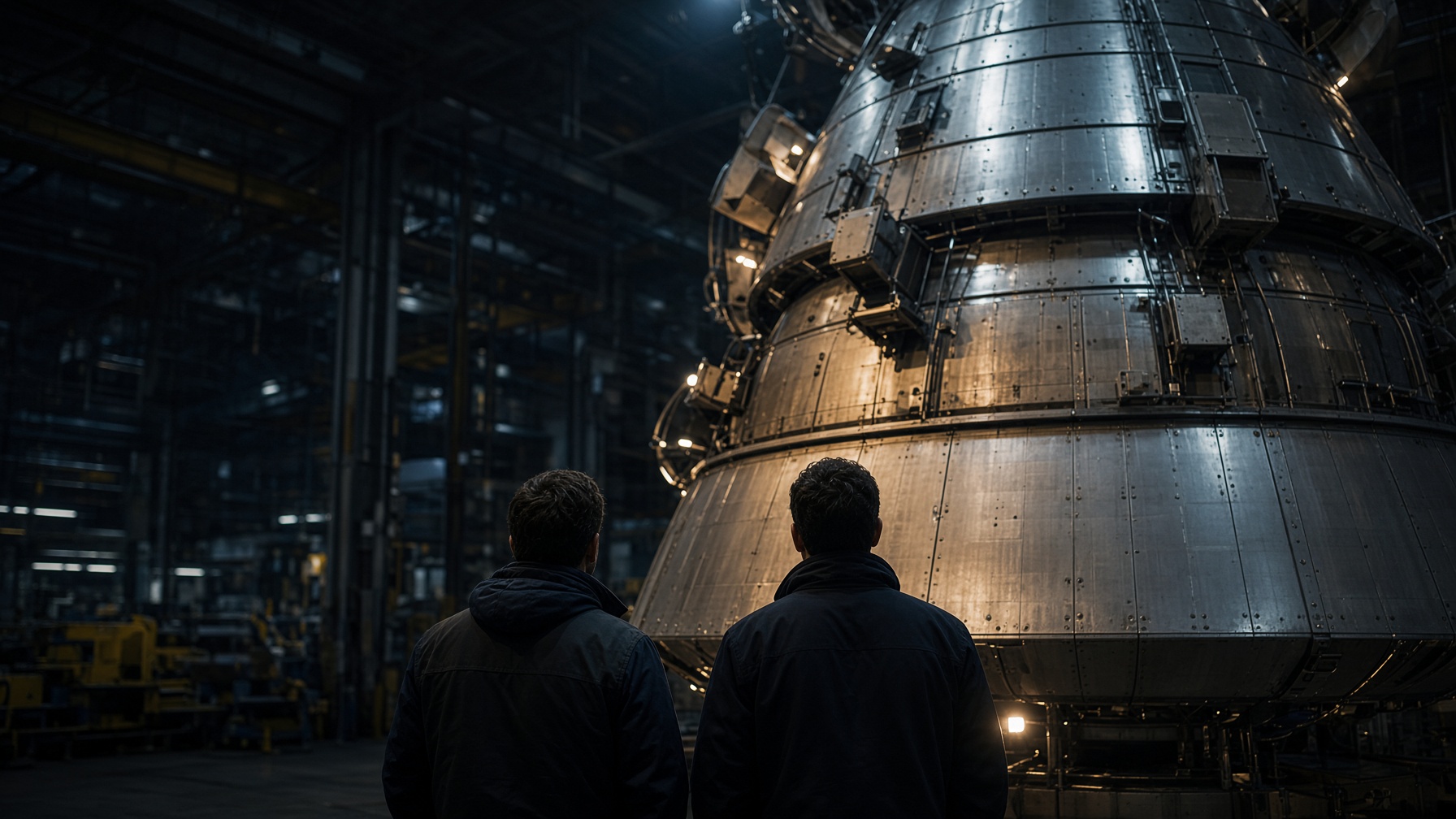
The bench